
Smart Home Technology Upgrades for Modern Living
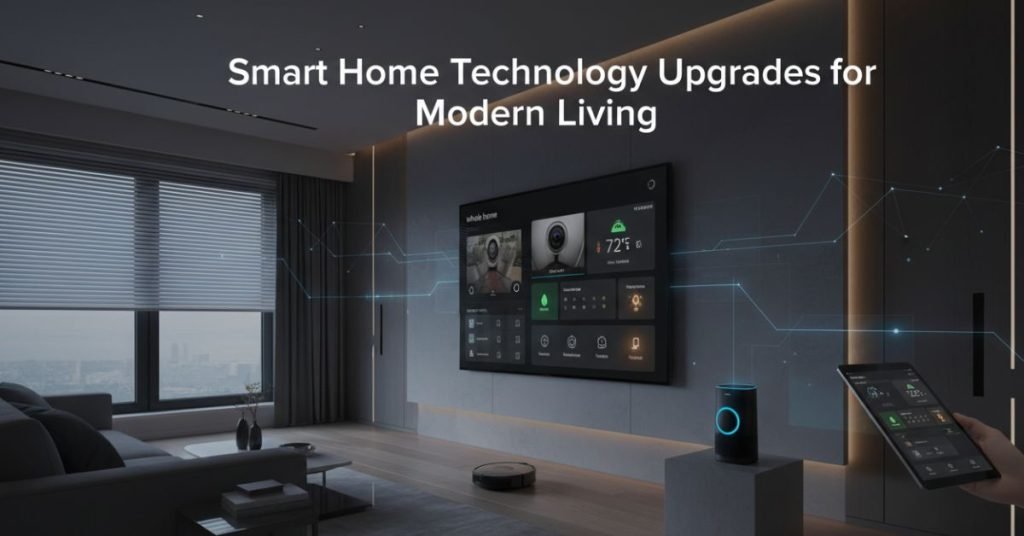
Renovations used to focus on surface improvements such as new paint, upgraded flooring, and neat symmetry; however, nowadays it seems as if there are so many more ways (less visible) to make substantial improvements like faster response times for electricity use and energy efficiency improving the overall ease of living in your own home through smart home technology which will allow the home to adjust itself according to your everyday habits rather than imposing itself on you. If you are in the process of enhancing your home or are just exhausted from using multiple different applications or devices to control all of the aspects of your home & would like to enhance your current home’s smart capabilities while maintaining the aesthetic aspect of your home, there are numerous options available that will improve the living experience and/or appearance of your home whereas they don’t involve converting your home into a lab experiment. Build a Reliable Core for Home Automation The success of a high-tech setup is based on basic functionality. These include: Installing a reliable internet connection (WiFi) with a business-friendly limit (i.e., “roaming” limits), having sufficient electrical outlets available for powering all of your devices on a daily basis, and ensuring that all devices work together without compatibility issues. Before purchasing any new home automation devices, it is advisable to identify the various uses of home automation devices in your home’s daily operations. The following list provides examples of central smart home automation device functions that will enhance the quality of your overall home experience: Add a mesh Wi-Fi system so every room stays connected Use a central hub (when needed) to reduce app overload Upgrade electrical capacity where future devices may live Choose one primary ecosystem and stick to it for consistency When your network is solid, smart home technology feels seamless. When it isn’t, even the best devices are unreasonable, and frustration becomes the “feature” you notice most. Smart Lighting That Does More Than Turn On Good lighting changes how a space feels. In addition to controlling the brightness of smart lighting via a voice command, you may also set lighting to automatically shine bright during the early morning hours and a warm glow during the evening. Outstanding smart lighting products provide excellent function in these areas. Kitchen (task-based lighting that will change based on time of day) Hallways and stairways (motion-trigger-based safety) Living rooms (movie, entertaining guests/hosting, reading, presentations, and work) Bedrooms (being woken by an exercise or lighting). You can pair smart lighting with occupancy sensors, thus creating a well-curated yet functional living space without any effort on a daily basis. Comfort on Autopilot: Climate and Air Quality Many households struggle with the temperature setting debate. Smart home technology devices have eliminated this argument before it started. Connected smart thermostats are capable of “learning” how you utilize your home. Smart thermostats will also build schedules and adapt temperature settings when you are away from your home. The addition of room sensors also assists homeowners in distributing comfort in their homes by reading all room temperatures, versus only one room (e.g., hallway) for the entire household. Add-ons that make a real difference: Smart vents or room sensors to target hot/cold zones Indoor air monitors that track humidity and pollutants Whole-home dehumidification controls for healthier air This is where home automation becomes more than convenience. It’s comfort you can feel, and utility bills you can measure. After you’ve outlined your priorities, a design consultation can help map device placement, power needs, and layout decisions so tech supports the design instead of cluttering it. Security and Access That Feels Modern No longer are bulky hardware and the ugly, clunky panels of the past needed to upgrade or secure your home. Today’s smart home technologies are integrated into your home’s exterior while giving you increased control of your property; doorbell cameras, smart locks, and sensors allow you to identify a potential problem before it becomes something bigger than you want to deal with later. Strong security upgrades would consist of various devices, such as: Doorbell cameras that alert you when packages are delivered and when someone is approaching Smart Lock that can be programmed with temporary access codes for guests Window and door sensors that will notify you of movement on/in your property as soon as it happens Lights that automatically come on outside whenever someone is at your door. When you combine all of these devices together within a smart home automation routine, such as having your lights turn on when a camera detects motion, your home can be enveloped and feel secure without becoming paranoid. Interfaces You’ll Actually Enjoy Using The best systems don’t demand constant interaction. They make the “right thing” happen naturally. Think of it as invisible assistance: voice commands when your hands are full, wall-mounted scenes when guests visit, and automation that runs in the background. Popular control methods include: Voice assistants for quick, hands-free commands Smart switches for reliable control (even for non-tech guests) Routine-based automations (wake, away, bedtime) When smart home technology is designed around real behavior, it stops feeling like “tech” and starts feeling like the home simply knows what’s next. Everyday Upgrades That Add Up Fast Not every upgrade needs to be a major install. A few strategic swaps can make your home feel sharper immediately: Smart plugs for lamps, small appliances, and seasonal décor Leak detectors under sinks and near water heaters Motorized shades for privacy and heat control Kitchen faucet sensors (especially useful when cooking) Pair leak detection with home automation alerts and you’ll catch issues early, often before damage spreads. And don’t overlook small touches like smart lighting in closets or pantries. Those tiny “why didn’t we do this sooner?” moments are often what people rave about after the project is done. Planning a Home Renovation That Stays Relevant To avoid becoming obsolete when smart home installations become obsolete, plan for renewal by being flexible: to have as many features as possible wired in, connections available