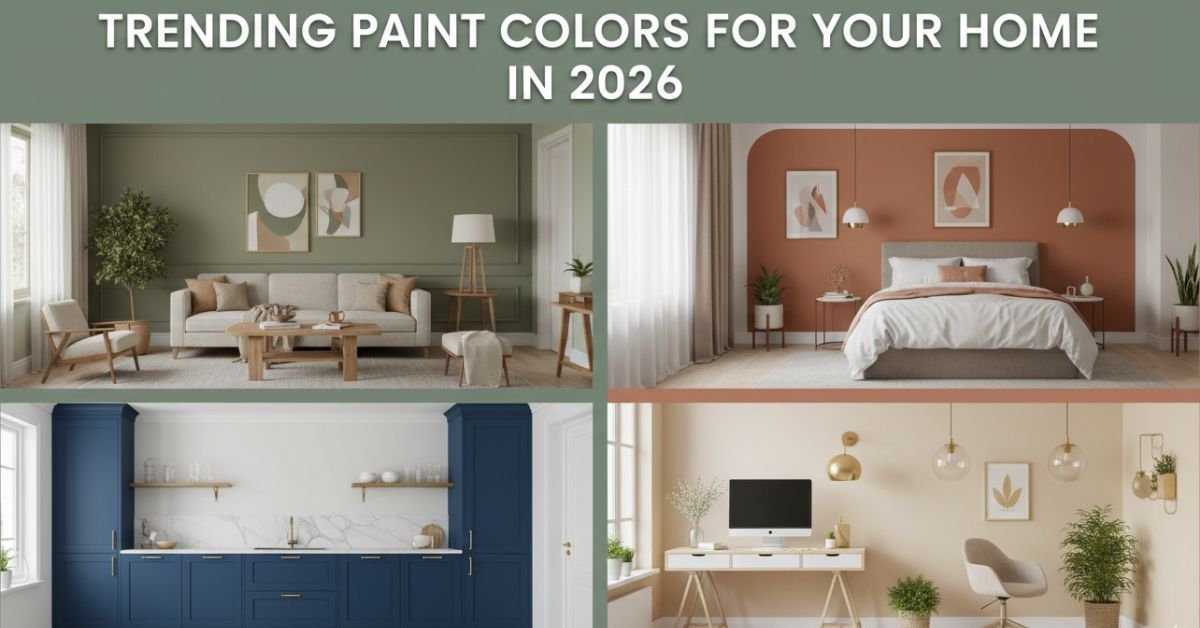
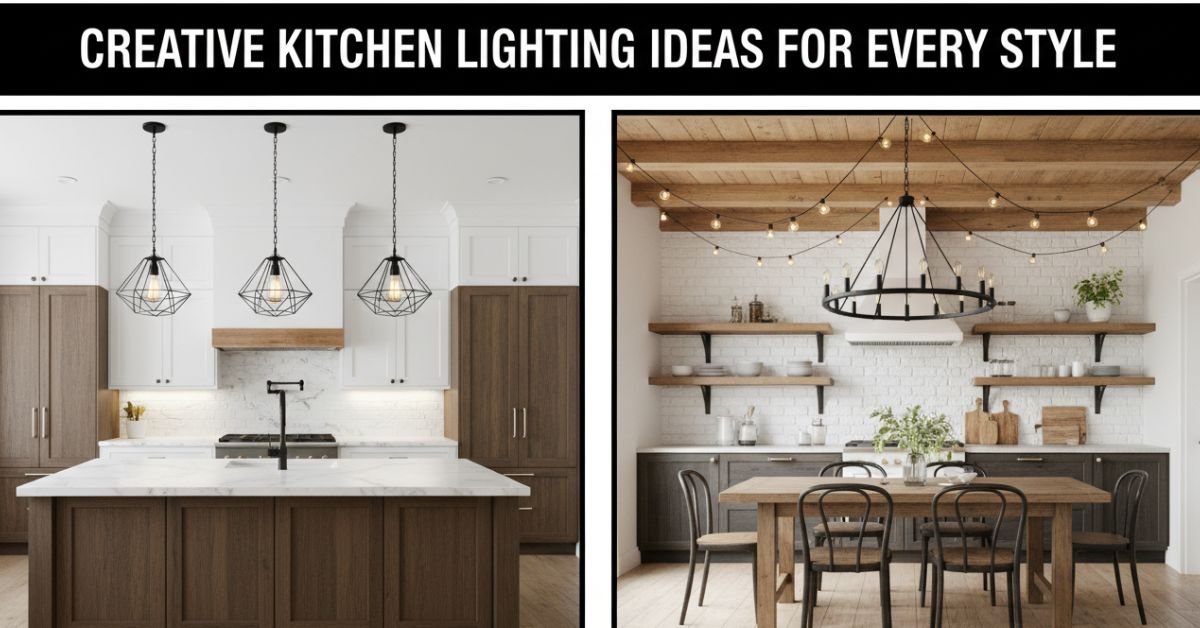
Lighting is the difference between a kitchen that works and a kitchen that wows. Choosing the right cabinets and countertops may take you months. However, without good lighting (sufficiently placed), your entire area may seem wrong; i.e., having a nice outfit and not knowing what shoes to wear. An example of good news is that simply changing your kitchen lighting can create significantly different results in the overall appearance of your kitchen without requiring a total renovation. The right kitchen lighting ideas make the room brighter, more flattering, and far more enjoyable to use, whether you’re cooking a full dinner or just grabbing coffee.
This guide breaks down creative lighting options for every style, from modern minimal to cozy traditional, with a focus on layered design that feels intentional, not overdone.
Kitchen Lighting Ideas Start With Layers, Not Fixtures
The most beautiful kitchens aren’t lit by one “main” light. They use layers that each serve a purpose. Think of lighting like a soundtrack: you need different tones for different moments.
A well-lit kitchen typically includes three layers:
- Ambient lighting to fill the room evenly and prevent shadows.
- Task lighting where you prep, cook, and clean so your eyes aren’t working overtime.
- Accent lighting that adds mood and highlights the parts of the kitchen you want people to notice.
When you combine these layers, your kitchen lighting ideas stop being random fixtures and become a deliberate atmosphere, bright enough for real work, soft enough for real living.
Modern Minimal: Clean Lines, Quiet Drama
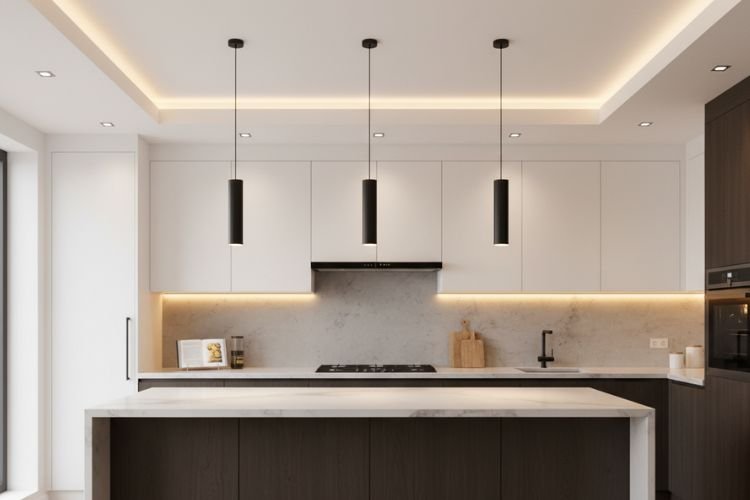
Modern kitchens look best when the lighting feels “built in,” not bolted on. Recessed lighting can work beautifully here, but only when it’s placed correctly. Too many cans and the ceiling looks busy; too few and you get dark pockets.
Try linear fixtures over islands for a sleek focal line, or slim pendants with simple shapes that don’t clutter the view. Add under-cabinet LED strips to create a clean glow on countertops; it’s one of the most effective kitchen lighting ideas for daily functionality.
This style also pairs nicely with dimmers. Bright for meal prep, softer for evenings, same kitchen, different vibe.
Warm Traditional: Classic Fixtures With Updated Balance
Many traditional kitchens provide ambient warmth by layering multiple types of light. Chandeliers, lantern-style pendants, and wall sconces with soft illumination create a warm and inviting atmosphere. Lighting is considered too heavy if it weighs down the mood or atmosphere. All traditional fixtures can provide charm, yet if any particular fixture is too ornate or oversized, the room will appear to be overcrowded.
An example of “doing it smart” is keeping one signature fixture (for example, a chandelier or lantern) in the kitchen; however, providing the necessary ambient and task lighting by utilizing more subtlety. Task lighting should be located directly under your cabinetry and provide you with all your kitchen’s basic functional lighting needs while simultaneously providing the warmth of the ambient decorative fixture.
If you’re planning a kitchen upgrade, consider installing new kitchen lighting first if you desire a fresh new look for your kitchen without spending an extreme amount of money on a new kitchen remodel.
Modern Farmhouse: Cozy Glow With Purpose
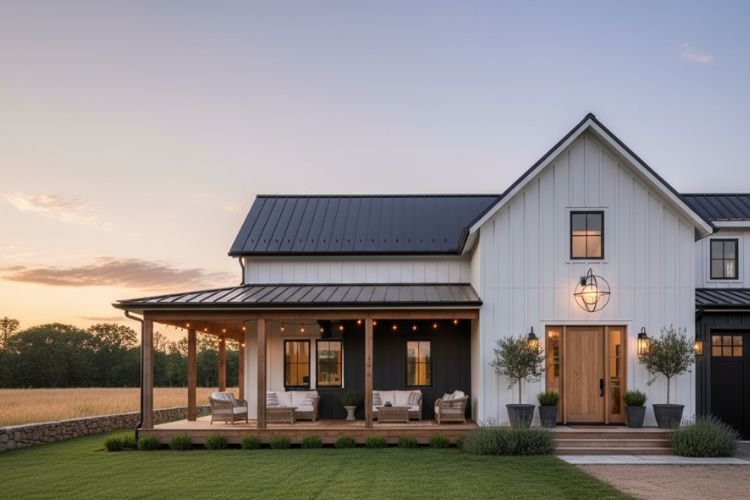
Farmhouse kitchens love texture, wood beams, shiplap, vintage-inspired hardware, and lighting, where that character gets amplified. Look for pendants with aged metal finishes, clear glass that shows the bulb, or oversized shades that feel grounded.
The trick is keeping the light flattering. Choose warm bulbs, avoid harsh glare, and use multiple sources so the room feels layered rather than spotlighted. These kitchen lighting ideas also work well with accent lighting on open shelving, which can highlight ceramics or glassware without making it look staged.
Farmhouse style also plays well with current kitchen lighting trends like mixed metals, think matte black with brass accents, when done in a controlled, intentional way.
Transitional Style: The “Best of Both” Lighting Blueprint
Transitional kitchens, those that blend modern and classic, benefit from fixtures that feel timeless rather than trendy. This is where you can play with shape: simple pendants, soft globe fixtures, and clean-lined chandeliers that have a little personality but won’t feel dated quickly.
Layering matters even more in transitional spaces because the goal is balance. Use recessed lighting for even ambient coverage, under-cabinet lighting for function, and one or two decorative fixtures for identity. If you want your kitchen lighting ideas to age well, transitional is a great playbook to borrow from.
Statement Pieces: When Lighting Becomes the Centerpiece
Sometimes the kitchen needs a “wow” moment, and lighting can provide it. Oversized pendants over an island or a sculptural chandelier over a dining nook can anchor the entire room.
The important part is scale and placement. A statement fixture should complement the kitchen, not compete with it. If your backsplash is bold and your countertops are dramatic, choose a simpler fixture. If the kitchen is neutral, you have more room to be playful.
And remember: the best statement lighting still needs support from practical layers. Decorative fixtures alone won’t give you the visibility you need.
Task Lighting That Doesn’t Look Like an Afterthought
Kitchen task lighting can either enhance your experience of the kitchen or make it even less efficient. In many cases, older kitchen layouts have poor lighting due to poorly placed cabinets or not accounting for shadows (like shadows cast from your countertops and the glow from sink fixtures). The most typical solution to this issue has been the addition of under-cabinet lights.
However, if you want to create something unique and add more atmosphere, there are many great alternatives to using under-cabinet lights, including adding toe-kick lights in dark locations, using narrow fixtures in the pantry, and hanging pendant lights that illuminate your working area without shining directly into your guests’ eyes. Most importantly, ensure your task lighting does not interfere with decorative lighting, and vice versa.
Good task lighting is also a kitchen lighting trends favorite because homeowners are realizing how much better a kitchen feels when it’s designed for real use, not just photos.
Lighting Installation: What to Plan Before You Buy
Great design can be ruined by poor execution. Lighting installation should be planned around wiring, switch placement, and how you actually move through the space. Before you shop, decide where you want control: near entrances, near the sink, and near the island are common high-use zones.
Also consider dimmers and separate circuits. Being able to control layers independently is the difference between “bright kitchen” and “perfect kitchen lighting.” Proper lighting installation also helps avoid the common mistake of putting lights directly behind where you stand, which creates shadows right on your prep surface.
If you’re unsure about layout, a design consultation can help you avoid expensive placement mistakes, especially with island sizing, ceiling height, and fixture scale.
Kitchen Lighting Trends Worth Using (and a Few to Skip)
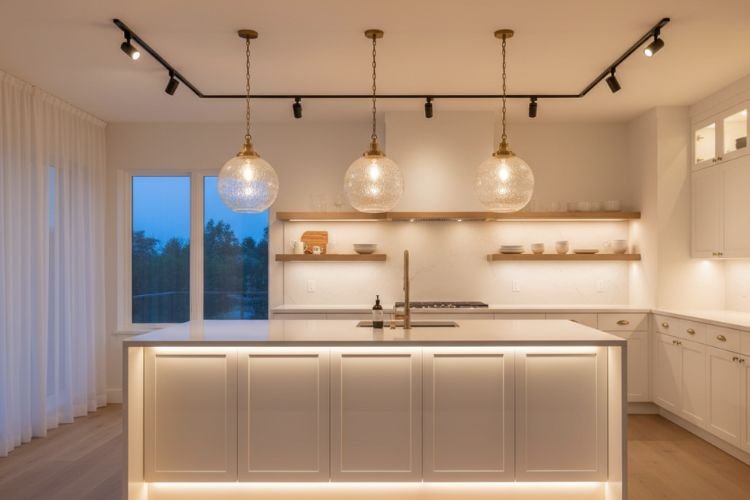
When it comes to kitchen lighting trends, consider function and longevity before implementing these trends in the kitchen. A number of current kitchen lighting trends are actually quite functional, including warm LED bulbs, layered bright lighting, mixed finishes, and strip lighting that emits a soft and evenly distributed light.
In terms of cautionary guidelines for using these trends, be aware of excessively trendy shapes. They tend to be outdated very quickly and will not give any benefit to the kitchen. Additionally, be cautious that very cool lighting temperatures will cause your food to look unappetizing and make your complexion appear fatigued. You can achieve a contemporary kitchen without it looking sterile or uninspiring.
The best kitchen lighting trends are the ones that make your kitchen feel better at 7 a.m. and 7 p.m., not just on reveal day.
FAQs
How many lighting layers should a kitchen have?
Most kitchens work best with three: ambient, task, and accent. This layering approach makes kitchen lighting ideas feel intentional and prevents dark corners and harsh glare.
What is the biggest mistake people make with lighting installation?
Poor placement and limited control. Lighting installation should avoid casting shadows on work areas and should include separate switches or dimmers so you can control each layer independently.
Are kitchen lighting trends worth following?
Yes, if you choose trends that improve function and longevity, like layered lighting and warm LEDs. Avoid overly trendy fixture shapes that may feel dated quickly.
Do kitchen lighting ideas change for small kitchens?
Small kitchens benefit even more from smart layering. Under-cabinet lighting, bright ambient coverage, and well-scaled fixtures can make the space feel larger and more polished.