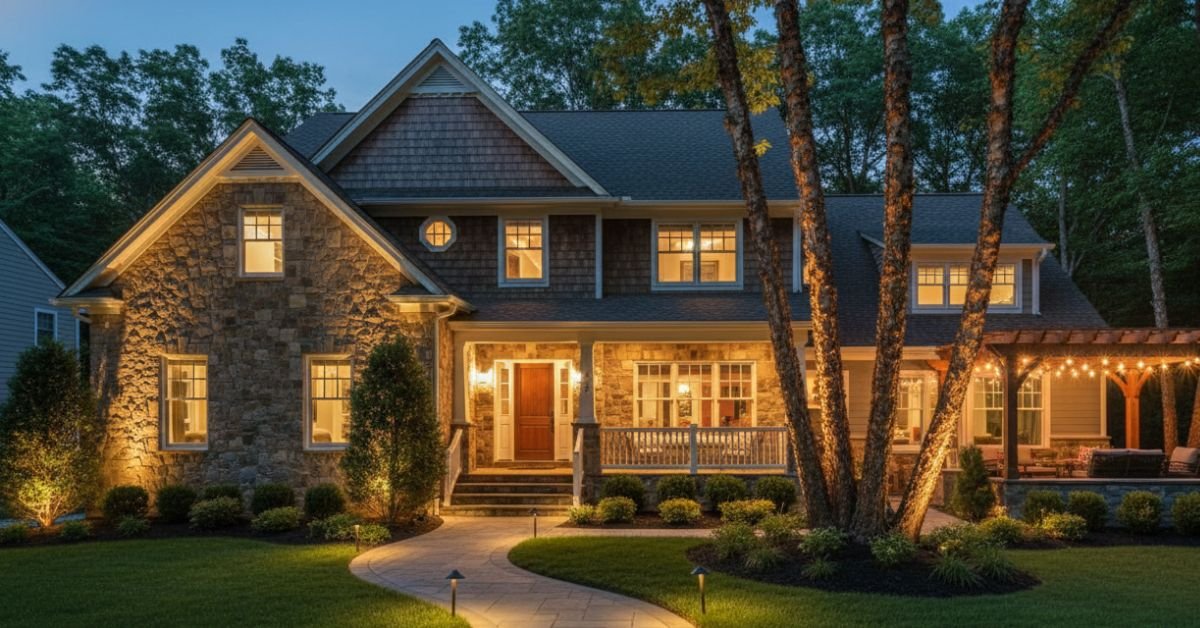
Once you walk into a home that is warm, inviting, and well-designed, lighting usually plays a silent yet powerful role. This can apply whether you are in a downtown property or a suburban colonial in central NJ, regardless of size, lighting can help you turn your home from just functional into beautifully lived-in. In this article, you’ll learn essential lighting design tips to illuminate your home like a pro, create mood and functionality, and avoid common mistakes. You’ll also pick up layered lighting ideas and understand how professional interior design services can bring your vision into reality. Ready to light things up?
Why Good Lighting Matters in Central NJ Homes
People often underestimate how much lighting affects our mood, perception of space, and the comfort of a room. In the variable lighting of a New Jersey day (clouds, sun, early rain, long evenings), the right fixtures and layout become even more vital.
Here are three reasons lighting design deserves attention:
- It enhances architecture and ambiance, making standard zones feel elevated.
- It solves practical issues like shadows, glare, and under-lit corners.
- It adds value and aesthetic polish, especially when combined with thoughtful dining area renovation or other home upgrades.
In homes around central NJ, where natural light might be limited by orientation, lot size, or neighbor proximity, implementing smart solutions ensures the rooms look and feel brighter throughout the day.
Unlocking Layered Lighting Ideas for Every Room
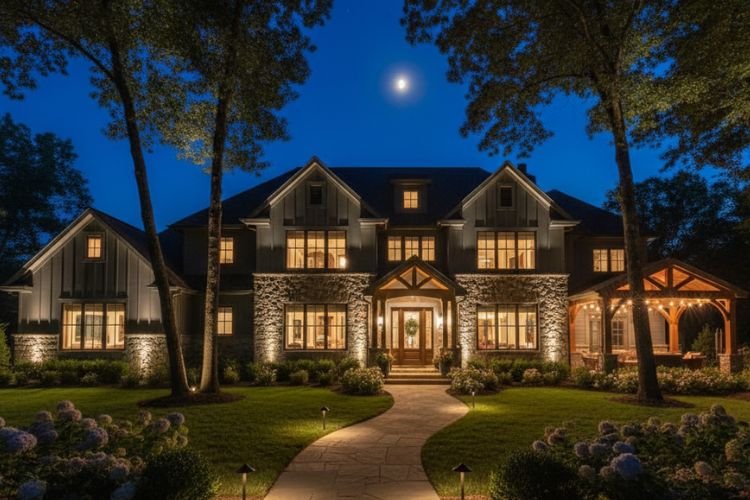
Light layering is one of the most effective approaches in modern lighting design in NJ. It allows you to create depth and flexibility in each room instead of relying on one overhead fixture. Designers suggest that ambient, task, and accent light used together is the basis of a well-lit environment.
Ambient lighting
Think of ambient lighting as the base coat, lighting that illuminates the whole space evenly. This might include recessed ceiling lights or a flush-mount fixture. The goal: avoid dark corners, ensure comfortable navigation, and set a baseline for the rest of your lighting.
Task lighting
This layer is appropriate for supporting specific activities: reading in the living room, prepping food in the kitchen, and working at your desk. Without it, you create discomfort, poor visibility, and a room that does not address how you live.
Accent lighting
This is where you create personality: while the ambient light provides illumination, accent lighting can be used to provide light on the artwork or other architectural features, shelving, or even an amazing dining table. Including accent lighting creates drama, texture, and visual interest.
Practical Lighting Design Tips for Homeowners
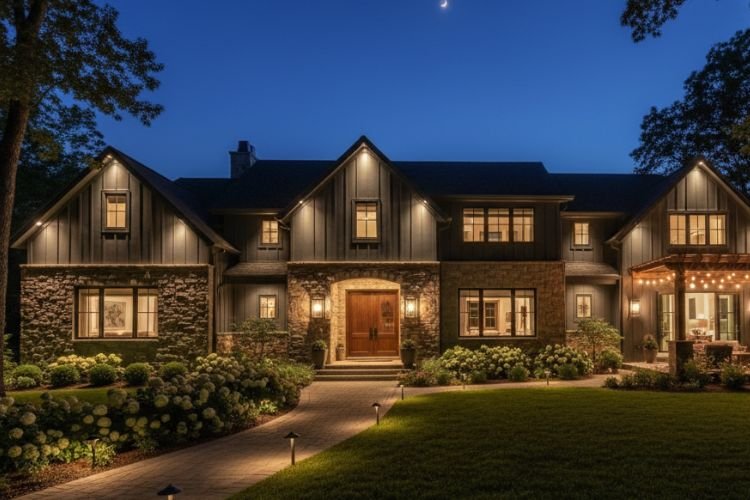
Here are actionable tips you can apply in your home right now:
- Consider the ceiling height and the size of the room. In larger or high-ceiling spaces of a central NJ home, you’ll need more than one light source to avoid uneven illumination.
- Use dimmers. Adjustable lighting lets you shift from full-function (game night, homework at the table) to relaxed (dinner, TV time) without changing fixtures.
- Mix fixture types and heights. For example: a pendant over the dining table, wall sconces in the adjacent seating area, and floor lamps by a reading corner. Don’t rely on just one overhead.
- Prioritize color temperature. Warm white (2700-3000K) works well in living and dining spaces to create comfort; brighter, cooler tones might serve task areas, but can feel cold if used everywhere.
- Highlight focal points. If you’ve recently done a renovation of your dining area, treat the table or wall art like the star of the show and flank it with accent lights.
- Optimize natural light. In many homes in central NJ, window placement may limit daylight, so make sure artificial lighting steps in to fill gaps, especially in the evening or on grey days.
- Coordinate finishes and style. Your lighting fixtures should match or complement your décor in finish, scale, and form. If you’ve engaged interior design services, ensure they consider lighting as part of the overall scheme.
- Plan wiring early. Lighting retrofits can be expensive if you wait until after floors and ceilings are set. Planning early in a remodel pays off.
Room-By-Room Spotlight: Applying the Tips
Living room
Start with ambient lighting via ceiling fixtures or wide-spread recessed lights. Add a floor lamp near the sofa for reading (task), and a picture light or wall sconce to bring focus to a gallery wall (accent).
Kitchen & dining zone
In open-plan homes, especially, lighting is key to cohesion. Use pendant lights above the island (task + accent) and consider dimmable recessed lights for ambient glow. For the dining zone, position a chandelier over the table and use wall washes or sconces to soften the broader area.
Bedrooms and quieter spaces
Here, layering helps you adjust from bright (getting ready) to dim and restful (wind-down mode). Table lamps, wall-mounted reading lights, and subtle LED strips under furniture can all contribute.
Entryways and hallways
Don’t forget these transitional zones; they set the tone. A well-placed wall light, a table lamp, or even uplighting can prevent a space from feeling like a simple corridor.
When to Call in Interior Design Services
Lighting is one of those elements that blends technical knowledge with aesthetic sense. If you’re working on a larger home, doing a major remodel, or want to maximize the impact of your lighting plan, hiring interior design services makes sense. They can:
- Develop a cohesive plan that integrates fixtures with furniture, finishes, and sight-lines.
- Navigate wiring, dimmer stations, control systems, and bulb specs.
- Elevate your foyer, living room, or kitchen with lighting that not only fits but enhances your lifestyle.
Working with professionals ensures your lighting design is purposeful, not just decorative.
Frequently Asked Questions (FAQs)
What are the most important lighting design tips for a new home?
Start with a layered approach using ambient, task, and accent lighting. Choose dimmers, adjust the heights of fixtures, and make sure wiring is planned early. A well-balanced plan prevents awkward shadows and fixture mismatches.
Can I retrofit lighting in an existing house without a full remodel?
Yes. You can add floor and table lamps, install dimmers, and replace bulbs for better color temperature. But for major changes like rewiring or adding pendant lights over a dining table, consulting a professional may be best.
How do I choose between warm and cool light tones?
Warm tones (2700K-3000K) create comfort and relaxation, and are great for living and dining zones. Cooler tones (3500K-4100K) suit task areas like kitchens or workspaces. Balance is key; avoid overly blue or clinical lighting unless you’re aiming for a specific effect.
How many light sources should a well-designed room have?
While there’s no exact number, many designers suggest five to seven light sources per room (when size allows) to create rhythm and depth.
Final Thoughts
Lighting is more than pressing a button; it’s about creating an atmosphere, improving function, and imbuing your home with intention and purpose. When you implement the right lighting design ideas, utilize layered lighting strategies, and hire professionals for social occasions (where necessary), your central NJ home can really shine and we mean shine both literally and figuratively! When it comes to designing your space, appropriate lighting should have priority whether you are refreshing one space or an entire home. Light thoughtfully, live beautifully.