
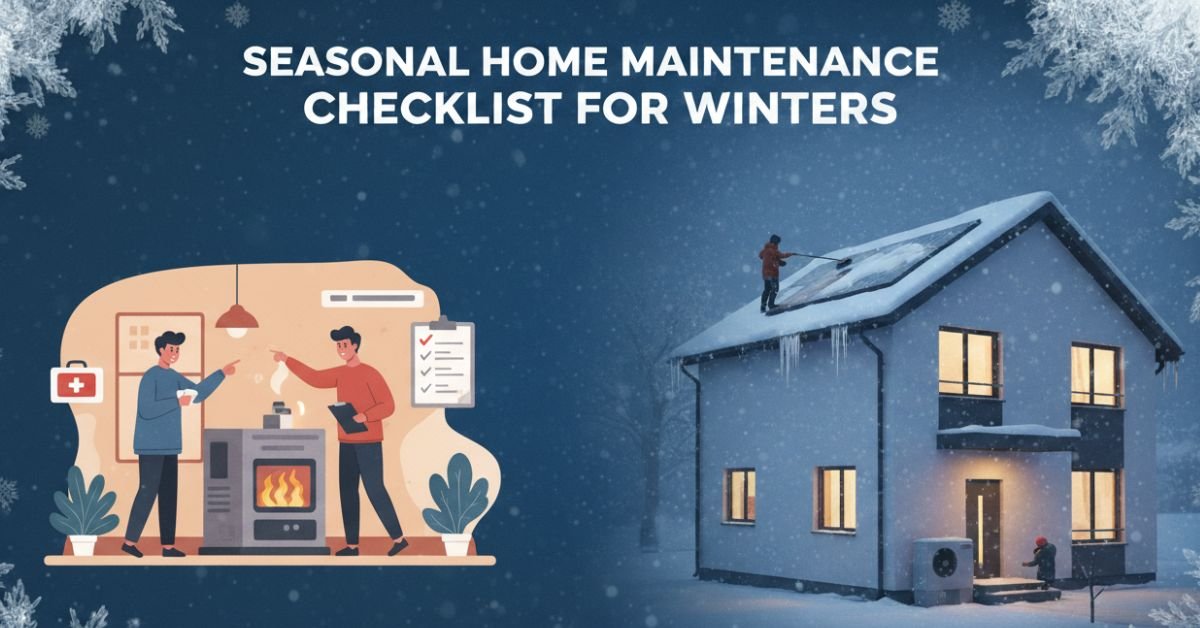
Everything that you’ve been living with in your home throughout the year begins to surface during the coldest part of the winter. The little draft that was merely irritating before now feels like an everyday weight hanging over you. A slow build-up in a rain gutter becomes a solid block of ice in a short time. A small crack that had escaped your eyes has allowed water to seep into it, only to show up later as the dye you hadn’t expected it to be or an irregularity like smell and dampness. One approach to getting ahead of the issues and making winter-ready home preparations a regular routine, instead of waiting for a response. That is what a well-established preventative home maintenance checklist is for. It will allow you to locate all the small issues that could become very expensive to resolve at a later date, before they become bigger problems.
The home maintenance guide has been put together with real-life homeowners in mind. These homeowners lead busy schedules, are subject to changing weather patterns, and have homes that must continue to function well, regardless of what the weather forecast indicates. The guide contains the same sections as any standard preventative maintenance handbook, is simple to follow, and presents many small, actionable steps that can be completed incrementally. The guide will also assist you in identifying which specific home improvements would provide the greatest comfort level during the coldest time of year, particularly if you plan to pursue a complete renovation prior to winter.
Home Maintenance Checklist: Handle Exterior Jobs Before Winter Makes Them Harder
The most cost-saving winter tasks happen outside, but they’re also the ones winter makes hardest to do. Once snow, ice, and wind show up, access gets limited, and repairs get more expensive. Start by walking the perimeter of your home like you’re inspecting it for a storm. Look at the roofline, gutters, siding seams, and foundation edges, anywhere water could collect or cold air could sneak in.
Pay attention to surfaces that look “fine” but feel questionable: a loose piece of flashing, peeling caulk, a downspout that points straight at the foundation. Winter doesn’t usually create problems from scratch; it amplifies the ones that were already forming.
Roof and Gutters: Keep Water Moving, Not Freezing in Place
Your roof’s winter job is simple: shed snow and guide meltwater away. When that path is blocked, water refreezes and creates headaches, ice dams, leaks, and stained ceilings. Clean your gutters thoroughly and make sure they’re securely attached. Downspouts should extend water away from the home, not dump it next to your foundation, where it can freeze and seep.
If you’ve had ice dams before, make a note that this isn’t only a gutter problem. It’s often tied to heat escaping into the attic, melting snow unevenly. That means insulation and ventilation may need attention, two upgrades that often pair well with a planned winter home renovation for better comfort and efficiency.
Weatherproofing Doors and Windows: Stop Paying for Drafts
If your home feels chilly even with the heat running, you’re likely losing warmth through small gaps, especially around doors, windows, and trim. Effective weatherproofing is less glamorous than new finishes, but the comfort payoff is immediate. Start by checking for drafts on a windy day or using the simple hand test around frames and thresholds.
Replace worn weatherstripping, add door sweeps where light shows through, and re-caulk exterior gaps where old sealant has cracked. This kind of weatherproofing also reduces moisture intrusion, which matters because winter air and indoor humidity create condensation that can damage paint, wood, and window frames over time.
Heating System and Safety Checks: Warmth Is a System, Not a Switch
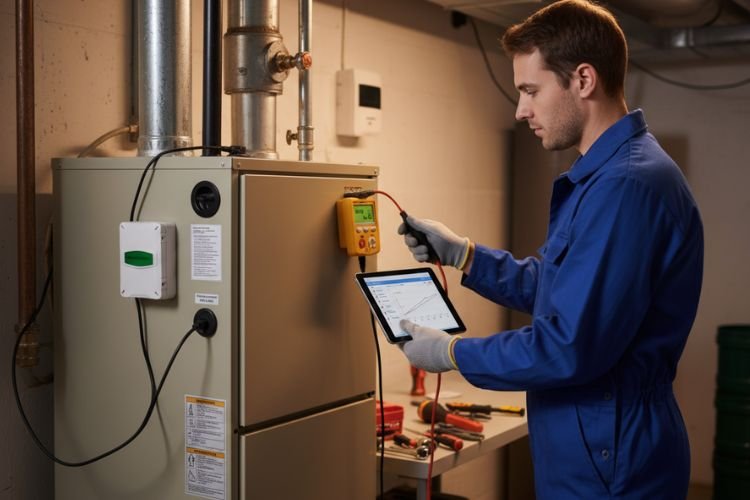
Your furnace or boiler doesn’t fail politely. It usually waits for the coldest night of the year, when service calls are booked, and parts are slow. Schedule a tune-up if you haven’t already, and replace filters more often during heavy-use months. Make sure vents aren’t blocked by furniture and that returns can “breathe” properly.
Winter safety is just as important as comfort. Test smoke alarms and carbon monoxide detectors, especially if you use gas heat, a fireplace, or any kind of space heater. A well-made home maintenance checklist always includes safety checks, because prevention isn’t only about money, it’s about peace of mind.
Plumbing and Pipes: Protect the Places Winter Loves to Attack
Water supply lines are often damaged during the winter months when they freeze and expand due to extreme temperature drops. They are most commonly found on exterior walls, the bottom of walls of crawl space, basement, garage, and also under sink plumbing where there are “cold corners.” Insulating exposed piping and sealing air leaks at points of plumbing penetration is the best way to prevent freeze-ups. Make sure to disconnect and drain outside hoses and shut off the water supply to outside spigots.
If you are going to be away for any extended period of time during the winter, set the thermostat to a sensible temperature while you are away. It may be tempting to turn the thermostat down to save on heating costs while you are away, but heating costs will be far less than the costs associated with repairing or replacing a frozen supply line. Many times during the coldest months of winter, homeowners will experience repeated problems that could signal larger and more serious problems. When homeowners experience an excessive amount of freeze-ups or chronic drafts in utility areas, this is usually when home remodeling becomes a more strategic solution than a cosmetic one.
Chimney, Fireplace, and Ventilation: Clean Air Matters More in Winter
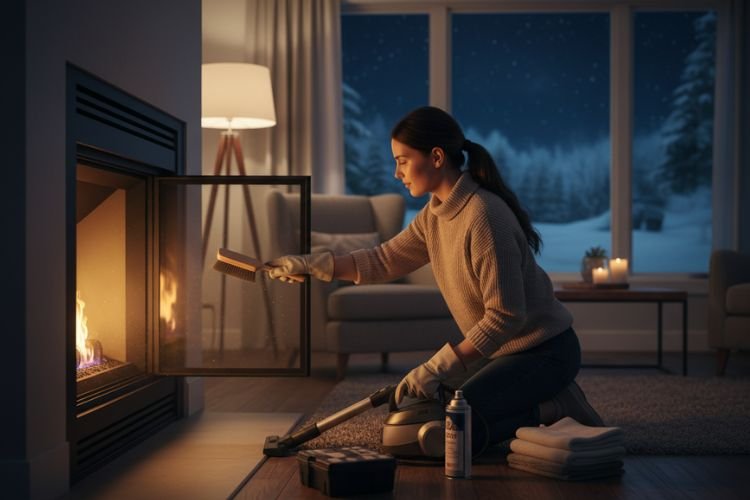
Winter homes stay closed up, which means indoor air quality matters more than ever. If you use a fireplace or wood stove, get the chimney inspected and cleaned to reduce fire risk and improve venting. Even if you don’t burn wood, check that your bathroom fans and kitchen venting are working properly. Trapped moisture becomes condensation, and condensation becomes mold, especially around windows and corners.
Good ventilation supports weatherproofing, too. A tightly sealed home still needs controlled airflow; otherwise, moisture gets stuck inside. Balance is the goal: keep cold air out, but let humidity escape.
Attic and Basement Checks: The Hidden Zones That Control Comfort
Your basement and attic are essentially the “behind-the-scenes” crew for making your home feel comfortable during the winter months. If they are poorly insulated or have many areas where air is leaking out of them, you’re going to find that your floors are cold, your rooms have unequal temperatures, and you’re paying very high heating bills. When inspecting your attic, be on the lookout for moisture damage, insufficient ventilation, and holes in your insulation.
If you’re not sure where to start, a design consultation can be useful for prioritizing improvements. It helps you focus on the upgrades that will actually change how the home feels, rather than spending time on tasks that don’t move the needle.
Indoor Winter Maintenance: Keep Moisture and Wear Under Control
When performing indoor maintenance over the winter, you’re going to want to monitor the amount of humidity you’re maintaining inside the home. High humidity levels create condensation on the inside of your windows, and they can create moisture problems for anyone who lives in the home, whereas low humidity levels result in dry air discomfort and an electrical build-up of static electricity in the home. Therefore, it’s important to have a humidifier or dehumidifier to control the amount of humidity in your home relative to the climate where you reside.
Another aspect of indoor maintenance is protecting your floors. Salt and grit work like sandpaper on your floor surfaces. Use entryway mats that help trap moisture on the mat and are cleaned frequently, and regularly vacuum up any leftover grit before it has a chance to scratch your hardwood or dull your tile flooring. The application of these simple habits to your indoor winter home maintenance checklist can help keep your home looking good throughout the entire winter season.
A Simple Winter Checklist You Can Actually Finish
If you want a quick version to stay on track, use this mini plan:
- Outside: Clear gutters, check downspouts, inspect roof edges, and seal obvious exterior gaps.
- Inside systems: Replace filters, test detectors, check vents, and protect pipes in cold zones.
- Comfort control: Handle weatherproofing around doors and windows, then monitor humidity and ventilation.
This keeps the home maintenance checklist manageable while still covering the highest-risk winter issues.
FAQs
When should I start a home maintenance checklist for winter?
Start in early fall if possible, but it’s never too late. If winter is already here, begin with heating system checks, weatherproofing, and pipe protection.
What weatherproofing tasks give the fastest comfort improvement?
Replacing worn weatherstripping, adding door sweeps, sealing window gaps, and re-caulking exterior trim are high-impact weatherproofing steps that reduce drafts quickly.
How do I reduce the risk of frozen pipes?
Insulate exposed plumbing, seal drafts near pipes, disconnect outdoor hoses, and keep indoor temperatures stable, especially during cold snaps or travel.
Is winter home renovation a good idea during the cold season?
Yes, for indoor comfort-focused projects like insulation, ventilation improvements, and sealing drafts. A winter home renovation can be timed well if it prioritizes efficiency and minimizes disruption.